Table of Contents
TogglePersonal Branding: The Complete Guide to Building a Powerful Personal Brand in 2025
In today’s digital-first world, personal branding is no longer optional. Whether you are a business owner, freelancer, job seeker, creator, or professional, your personal brand defines how people see, trust, and remember you.
From LinkedIn profiles to Google search results, people are already forming opinions about you. The real question is — are you controlling that narrative or leaving it to chance?
This guide will help you understand personal branding deeply, step by step, with real-world examples, proven strategies, and practical tips you can apply immediately.
This is where PageSpeed Insights becomes essential.
PageSpeed Insights is a free Google tool that analyzes your website’s speed and performance. It shows what is slowing your site down and provides clear, actionable recommendations to fix those issues.
In this comprehensive guide, you will learn:
What PageSpeed Insights is and how it works
Why page speed matters for SEO
Core Web Vitals explained with real-world examples
Step-by-step optimization techniques
Common mistakes and advanced improvements
Case studies and FAQs
This article is written for beginners, business owners, marketers, and developers who want real results—not just theory.
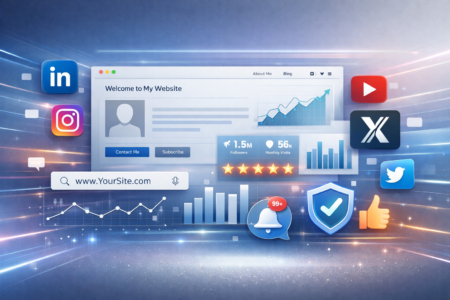
What Is Personal Branding?
Personal branding is the deliberate process of shaping how others perceive you — your skills, values, personality, and expertise — across both online and offline platforms.
It’s not about pretending to be someone else. Instead, it’s about authenticity, clarity, and consistency. Every post you share, conversation you have, and project you deliver contributes to your personal brand.
History and Evolution
The concept of personal branding has evolved over decades. Initially, personal branding existed in networking and reputation-building within communities. Think Oprah Winfrey: she built her influence over decades through consistent messaging, authenticity, and authority. Richard Branson and Elon Musk similarly became personal brands by linking their identities to their businesses.
With the rise of digital platforms, personal branding became measurable and scalable. LinkedIn, Instagram, YouTube, and personal websites allow professionals to showcase expertise, build authority, and engage audiences globally.
Today, personal branding is not just about recognition — it’s a strategic tool for career growth, business success, and long-term influence.
Importance of Personal Branding
Personal branding is critical because people trust individuals more than companies. Modern marketing psychology shows that audiences form emotional connections with individuals before trusting brands.
Key Benefits with Real-World Examples
Builds Trust Faster than Traditional Branding
Example: A freelance copywriter sharing weekly case studies and client testimonials gained 5 long-term clients in one month.Differentiates You from Competitors
Example: A graphic designer who focuses solely on restaurant branding attracted 3x more clients than generalist designers.Creates Long-Term Career Security
Example: Professionals who maintain an active online presence are 50% more likely to receive inbound job offers even during layoffs.Attracts Opportunities Organically
Example: A digital marketing consultant posting LinkedIn insights consistently receives inquiries without cold outreach.Positions You as an Authority
Example: A UX designer sharing thought leadership posts received invitations to speak at conferences and webinars.
The Psychology Behind Personal Branding
Personal branding works because it taps into human behavior.
1. Familiarity
People prefer faces and names they recognize. Consistency in posting content and interacting online builds familiarity.
2. Authority Bias
When you consistently share knowledge, people assume expertise. Posting case studies, tutorials, and insights reinforces authority.
3. Social Proof
Testimonials, follower counts, and engagement increase trust. People are more likely to trust a brand or professional endorsed by others.
Stat Example: Studies show that 80% of people trust recommendations or online reviews more than advertisements.

Personal Branding vs Corporate Branding
| Aspect | Personal Branding | Corporate Branding |
|---|---|---|
| Focus | Individual | Company |
| Trust Level | High | Medium |
| Flexibility | Very high | Limited |
| Emotional connection | Strong | Moderate |
| Longevity | Lifetime | Business lifecycle |
A strong personal brand can survive even if companies fail.
Who Needs Personal Branding?
Short answer: Everyone.
But it’s especially powerful for:
Entrepreneurs & founders
Freelancers & consultants
Job seekers & professionals
Coaches & trainers
Digital marketers
Designers & developers
Influencers & creators
Even students benefit from early personal branding.
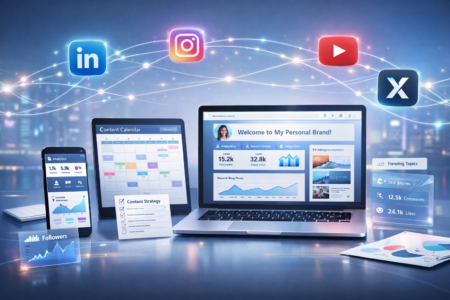
Core Elements of a Strong Personal Brand
1. Clarity of Identity
You must answer:
Who am I?
What do I do?
Who do I help?
What problem do I solve?
Without clarity, branding becomes noise.
2. Consistent Messaging
Your message should remain aligned across:
Website
LinkedIn
Instagram
Twitter (X)
YouTube
Email signature
Consistency builds recognition.
3. Authenticity
Fake branding collapses fast.
Real stories, real struggles, real results — these build trust.
How to Build Personal Branding Step by Step
Step 1: Define Your Personal Brand Foundation
Ask yourself:
What are my top 3 skills?
What am I passionate about?
What unique value do I provide?
What do I want to be known for?
Mini Worksheet Tip: List your skills, strengths, values, and passions, then look for the intersection where your expertise meets audience needs.
Example: A web designer brands herself as “Conversion-focused website designer for small businesses.”
Step 2: Identify Your Target Audience
Avoid generic statements like “I help everyone.”
Instead, niche down:
✅ “I help local business owners grow online.”
Industry Examples:
A fitness coach targeting corporate employees
A freelance writer targeting SaaS startups
A student sharing career development insights for peers
Clarity in audience ensures your content resonates and converts.
Step 3: Craft Your Personal Brand Statement
Formula:
I help [target audience] achieve [result] using [skill].
Examples:
“I help startups build high-converting websites using UX-driven design.”
“I help job seekers land interviews through compelling LinkedIn content.”
“I help small businesses grow revenue with data-driven social media campaigns.”
Building Your Online Personal Brand
Personal Branding on Google
Your name should show:
LinkedIn profile
Personal website
Guest articles
Social profiles
If nothing appears, you’re invisible.
Personal Website: Your Digital Home
A personal website builds authority and control.
Must-have pages:
About Me
Services
Portfolio
Blog
Contact
This boosts SEO and trust.
Personal Branding on LinkedIn
LinkedIn is the #1 platform for professional personal branding.
Optimisation tips:
Professional profile photo
Keyword-rich headline
Value-driven About section
Consistent content posting
📌 Mini case:
A digital marketer posting weekly insights gained 3 inbound clients in 60 days.
Personal Branding on Instagram
Instagram works best for:
Creators
Coaches
Designers
Lifestyle professionals
Focus on:
Educational reels
Behind-the-scenes stories
Personal journey posts
Personal Branding on YouTube
Video builds trust faster than any format.
You don’t need perfection.
You need clarity and consistency.
Content Strategy for Personal Branding
Types of Content
Educational content
Case studies
Personal experiences
Industry opinions
How-to guides
70-20-10 Rule
70% value-focused content
20% personal storytelling
10% promotional
Mini Case: Freelance consultant gained 10 new clients in 6 months by posting value 70% of the time.
Posting Frequency
LinkedIn: 2–3 posts/week
Instagram: 3–5 posts/week
YouTube: 1 video/week
Blog: 1–2 articles/month
Personal Branding for Professionals & Job Seekers
Recruiters search LinkedIn before interviews.
A strong personal brand can:
Increase salary negotiations
Create inbound job offers
Reduce dependency on resumes
📌 Example:
A UI designer sharing redesign concepts landed interviews without applying.
Personal Branding for Entrepreneurs & Business Owners
Founder-led branding humanises businesses.
People trust faces, not logos.
Benefits:
Higher conversion rates
Stronger brand loyalty
Easier sales conversations
Common Personal Branding Mistakes
Copying others blindly
Being inconsistent
Over-promoting
Ignoring audience feedback
Quitting too early
Personal branding is a long-term game.
Measuring Personal Branding Success
Track:
Profile views
Engagement rate
Website traffic
Inbound leads
Mentions & collaborations
Growth compounds over time.
Real-World Personal Branding Case Scenarios
Freelancer
Graphic designer specializing in restaurant branding doubled income in 6 months
Employee
HR professional sharing hiring insights became internal thought leader
Entrepreneur
SaaS founder sharing product-building lessons gained investor interest
Student
Marketing student sharing LinkedIn projects got multiple internship offers
Creator
Fitness coach posting transformation reels gained 5,000 subscribers in 90 days
Personal Branding and SEO
Your personal brand boosts SEO through:
Branded searches
Author authority
Content trust
Backlinks
Google values real people with real expertise.
EEAT and Personal Branding
Google’s EEAT aligns perfectly with personal branding.
Experience: Share real stories
Expertise: Demonstrate knowledge
Authority: Get mentions & links
Trust: Be transparent
Future of Personal Branding
Trends shaping personal branding:
AI-assisted content
Founder-led marketing
Video-first platforms
Community-driven branding
Personal newsletters
Your name will matter more than ever.
Personal Branding Checklist (Quick Reference)
Clear niche
Optimised profiles
Consistent content
Authentic voice
Value-driven messaging
Long-term mindset
Frequently Asked Questions (FAQs)
What is personal branding in simple words?
How people perceive you based on your skills, values, and online presence
How long does it take?
3–6 months with consistent effort
Is it only for entrepreneurs?
No, students, professionals, and job seekers benefit too
Can introverts build personal branding?
Yes, written content and structured posts work well
Do I need social media?
Not mandatory but accelerates visibility and trust
Can it help with promotions?
Yes, visibility and credibility fast-track internal opportunities
Should I hire a coach?
Not necessary for beginners; coaching helps scale faster
How do I measure ROI?
Track profile views, engagement, leads, mentions
Conclusion: Your Name Is Your Brand
Personal branding is not about chasing fame or going viral.
It is about building clarity in what you stand for, credibility in what you do, and genuine connections with the right audience.
When you don’t take control of your personal brand, people will form their own opinions — often based on incomplete or inaccurate information. That can cost you opportunities, trust, and growth.
The good news is, you don’t need to do everything at once.
Start small. Share what you know. Show up consistently. Stay authentic.
Over time, your name will become more than just an identity — it will turn into a trusted brand that opens doors, attracts opportunities, and supports your long-term career success.