


Brand Authority Signals: Introduction
In today’s competitive digital landscape, Brand Authority Signals have become one of the strongest indicators of business credibility. Search engines no longer evaluate websites based only on keywords and backlinks. They also analyze whether people trust your brand, engage with your content, and recognize your expertise.
Whether you run a local business, an eCommerce store, or a digital agency, building strong Brand Authority Signals can improve search rankings, increase conversions, and create long-term customer loyalty.
Businesses that consistently demonstrate expertise, publish valuable content, earn genuine reviews, and maintain a strong online presence are far more likely to outperform competitors.
If your goal is sustainable SEO success, investing in brand authority is no longer optional—it is essential.
What Are Brand Authority Signals?
Brand Authority Signals are the trust indicators that help search engines and users determine whether your business is credible, knowledgeable, and reliable.
These signals come from multiple sources rather than a single ranking factor.
Some of the strongest authority signals include:
- High-quality website content
- Positive customer reviews
- Consistent branding
- Expert authorship
- Quality backlinks
- Active social media presence
- Mentions on trusted websites
- Industry recognition
- Secure website (HTTPS)
- Positive user engagement
Together, these elements create a digital reputation that both customers and search engines can trust.
Why Brand Authority Signals Matter for SEO
Google’s ranking systems increasingly focus on user experience and trust.
When multiple authority signals support your website, Google gains greater confidence in recommending your pages to users.
Strong authority signals can help your business:
- Improve organic rankings
- Increase website traffic
- Build customer confidence
- Earn higher conversion rates
- Reduce bounce rate
- Increase repeat visitors
- Strengthen brand recognition
Rather than depending on a single SEO tactic, authority is built through consistent, high-quality efforts across your entire digital presence.
The Connection Between Brand Authority Signals and Google EEAT
Google encourages websites to demonstrate:
- Experience
- Expertise
- Authoritativeness
- Trustworthiness
These four principles, commonly known as EEAT, play an important role in how search quality is evaluated.
For example:
A healthcare website written by certified medical professionals carries stronger authority than one with anonymous content.
Similarly, a financial blog authored by experienced advisors is generally considered more trustworthy than content without clear expertise.
The same concept applies to every industry.
When your business consistently publishes accurate information, earns customer trust, and receives recognition from reputable sources, your overall brand authority grows.
Key Brand Authority Signals Every Business Should Build
1. High-Quality Content
Content remains one of the strongest authority indicators.
Instead of publishing articles simply to target keywords, focus on solving real customer problems.
High-quality content should:
- Answer common questions
- Include original insights
- Use real examples
- Be regularly updated
- Cover topics in depth
- Be easy to read
For instance, a digital marketing agency could publish detailed guides on SEO, PPC, and content marketing. Over time, these resources position the agency as an industry expert.
2. Consistent Brand Identity
Consistency builds familiarity.
Your logo, colors, messaging, tone, and overall visual identity should remain consistent across your website, social media profiles, email communications, and marketing materials.
Customers are more likely to trust brands that present a unified image.
Imagine visiting a company’s website with one logo and then finding completely different branding on its social media accounts. Such inconsistencies can create confusion and reduce trust.
3. Customer Reviews and Testimonials
Online reviews are among the most influential Brand Authority Signals.
Positive feedback demonstrates that real customers have had satisfactory experiences with your business.
Encourage customers to leave reviews after successful purchases or completed projects.
Respond professionally to both positive and negative reviews to show that your business values customer feedback.
Mini Case Scenario
A local home renovation company increased its monthly inquiries by requesting reviews from satisfied clients after each completed project.
Within six months:
- Review volume doubled.
- Average rating improved.
- Website traffic increased.
- More customers mentioned reviews as the reason for choosing the company.
The business didn’t rely on additional advertising—it strengthened its reputation through authentic customer experiences.
Build Expertise Through Helpful Content
Publishing useful content consistently helps establish your brand as a trusted resource.
Consider creating:
- How-to guides
- Industry news
- Case studies
- Video tutorials
- Frequently asked questions
- Expert interviews
- Product comparisons
- Step-by-step tutorials
Each piece of content contributes to stronger Brand Authority Signals while also attracting potential customers through organic search.

Advanced Brand Authority Strategies for Long-Term SEO Success
Building Brand Authority Signals requires more than publishing blog posts. As search engines become more sophisticated, they evaluate how your brand is recognized across the web, how users interact with your content, and whether trusted sources mention your business.
Create Topic Clusters Instead of Isolated Articles
Rather than writing unrelated content, organize your website around core topics.
For example, if your business offers digital marketing services, create a pillar page about SEO and support it with articles on keyword research, technical SEO, local SEO, and content optimization. This structure helps users navigate your site and reinforces your expertise in a specific area.
Publish Original Research and Insights
Original content can strengthen your brand’s credibility. Consider sharing survey results, industry statistics, customer success stories, or internal case studies. Unique information is more likely to earn citations and references from other websites.
Maintain Consistency Across Platforms
Your website, business profiles, and social media channels should present the same business name, contact information, messaging, and visual identity. Consistency helps users recognize your brand and contributes to stronger trust signals.
Backlinks and Digital PR
Backlinks remain an important part of SEO, but quality is far more valuable than quantity.
A backlink from a respected industry publication or a reputable business directory carries greater weight than dozens of links from low-quality websites.
Effective Ways to Earn Quality Backlinks
- Publish comprehensive guides that others naturally reference.
- Contribute guest articles to reputable industry websites.
- Share expert opinions through interviews or podcasts.
- Create useful tools, templates, or calculators.
- Participate in industry events and webinars.
Digital PR in Action
Imagine a software company launching an annual report based on customer data. If news outlets and industry blogs reference that report, the company earns valuable backlinks while strengthening its reputation as an authority in its field.
This combination of visibility and trust supports stronger Brand Authority Signals over time.
Social Proof and Influencer Mentions
People trust recommendations from other people.
Positive reviews, customer testimonials, case studies, and mentions from respected professionals all contribute to your online credibility.
Practical Examples of Social Proof
- Verified customer reviews
- Video testimonials
- User-generated content
- Success stories
- Awards and certifications
- Speaking engagements
- Media coverage
Even a simple testimonial explaining how a product solved a customer’s problem can help new visitors feel more confident about choosing your business.
Brand Mentions vs. Backlinks
Both brand mentions and backlinks contribute to authority, but they serve different purposes.
| Factor | Brand Mentions | Backlinks |
|---|---|---|
| Direct link to website | No | Yes |
| Builds brand recognition | Yes | Yes |
| Passes SEO value | Limited | Stronger |
| Improves trust | Yes | Yes |
| Helps online reputation | Yes | Yes |
A healthy SEO strategy includes both. While backlinks can improve rankings, unlinked brand mentions across reputable websites also reinforce your brand’s presence and credibility.
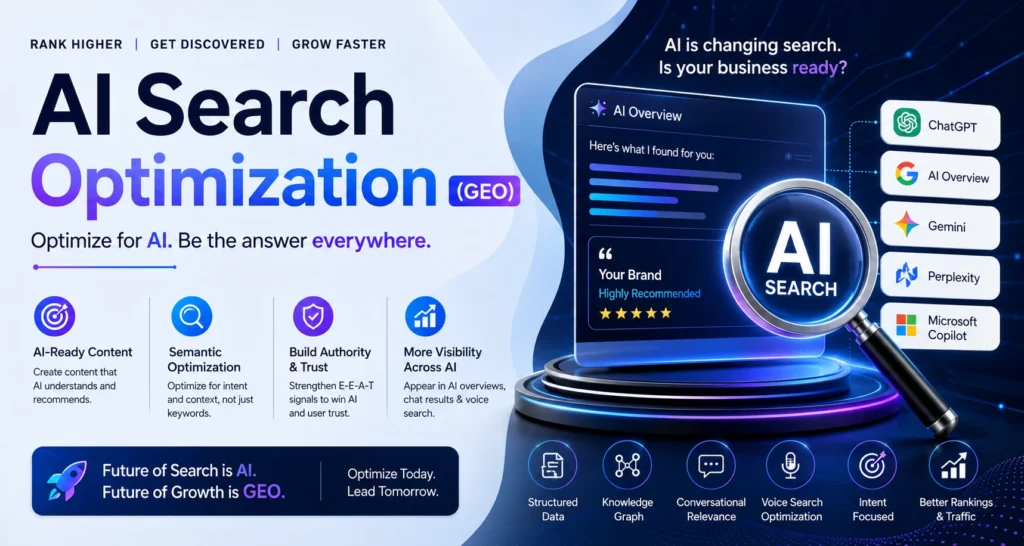
AI Search and Brand Authority
AI-powered search experiences increasingly rely on trusted sources when generating answers.
Brands that consistently publish accurate, well-structured, and helpful content are more likely to be referenced in AI-assisted search results.
To improve your visibility:
- Write clear, fact-based content.
- Use descriptive headings and organized formatting.
- Answer common customer questions directly.
- Update older articles regularly.
- Demonstrate real expertise through author profiles and case studies.
As AI search evolves, building trust with users becomes just as important as optimizing for traditional search engines.
Frequently Asked Questions (FAQs)
Conclusion
Building Brand Authority Signals is an ongoing process rather than a one-time SEO task. By combining high-quality content, trustworthy backlinks, positive customer experiences, and consistent branding, businesses can strengthen their online reputation and improve long-term search visibility.
In the final section, we’ll answer common questions about Brand Authority Signals, summarize the key takeaways, and provide actionable next steps to help you implement these strategies effectively.